.....Introduce (I), Accidental (A) or Rare (R)
|
| 12 |
DUCK FEATURES
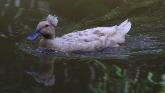
Ducks are found throughout the world in a variety of water habitats. Some ducks live by the sea and dive for fish; others live on small freshwater ponds and eat
microscopic organisms. All ducks however have many similar features and adaptations used to survive in their watery habitats.
The bills of ducks are usually long and flat. They use their bills in many different ways.
Dabbling ducks are filter feeders and strain out various food items such as seeds, water plants, and small animals.
Diving ducks, normally found in freshwater, swim under the water and pursue larger food items like fish.
The feathers of ducks are waterproofed by a protective oil that is produced at the base of the tail and the duck spreads this oil to the rest of the feathers. This procedure
is called preening and this must be done regularly to straighten and re-oil their feathers.
In most duck species the males’ feathers are brighter and more colourful. Male feathers are vivid for a variety of reasons.
•More colourful feathers help males stand out to attract females.
•Males also use brilliant feathers, combined with lots of noise and fluttering, to distract predators away from females. Females are usually a shade of brown to help
camoflauge (blend) in with ground nests.
Their webbed feet are excellent for paddling and they can streamline their wings to dive underwater. Ducks are often clumsy on land and due to the fact that their legs
are placed far back on their body. This gives them more power in the water but results in a unique waddle on land.
Ducks are able to float on top of the water by trapping air within sacs inside their bodies. When a duck dives underwater, it releases air from the sacs.
Ducks are found throughout the world in a variety of water habitats. Some ducks live by the sea and dive for fish; others live on small freshwater ponds and eat
microscopic organisms. All ducks however have many similar features and adaptations used to survive in their watery habitats.
The bills of ducks are usually long and flat. They use their bills in many different ways.
Dabbling ducks are filter feeders and strain out various food items such as seeds, water plants, and small animals.
Diving ducks, normally found in freshwater, swim under the water and pursue larger food items like fish.
The feathers of ducks are waterproofed by a protective oil that is produced at the base of the tail and the duck spreads this oil to the rest of the feathers. This procedure
is called preening and this must be done regularly to straighten and re-oil their feathers.
In most duck species the males’ feathers are brighter and more colourful. Male feathers are vivid for a variety of reasons.
•More colourful feathers help males stand out to attract females.
•Males also use brilliant feathers, combined with lots of noise and fluttering, to distract predators away from females. Females are usually a shade of brown to help
camoflauge (blend) in with ground nests.
Their webbed feet are excellent for paddling and they can streamline their wings to dive underwater. Ducks are often clumsy on land and due to the fact that their legs
are placed far back on their body. This gives them more power in the water but results in a unique waddle on land.
Ducks are able to float on top of the water by trapping air within sacs inside their bodies. When a duck dives underwater, it releases air from the sacs.
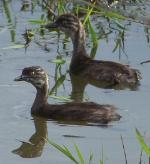
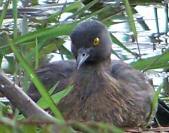
| 15 |
| 4 |
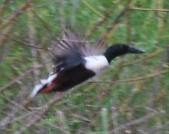
| 10 |
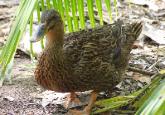
| 17 |
| 1 (I) |
| 5 (A) |
| 1 |

| ¡Hablamos español! |
| · Nature & Soft Adventure Operator · Consultants · Trainers · Mayagüez · Luquillo · San Juan · Fajardo · Ceiba · |
|
| · i s l a n d - w i d e b i r d i n g t r i p s · a l l - i n c l u s i v e t o u r p a c k a g e s · |

| "As the path of the birds in the air or of fishes in the water is invisible, even so is the path of the possessors of wisdom." |
| . |
| . |
T = Threatened Species
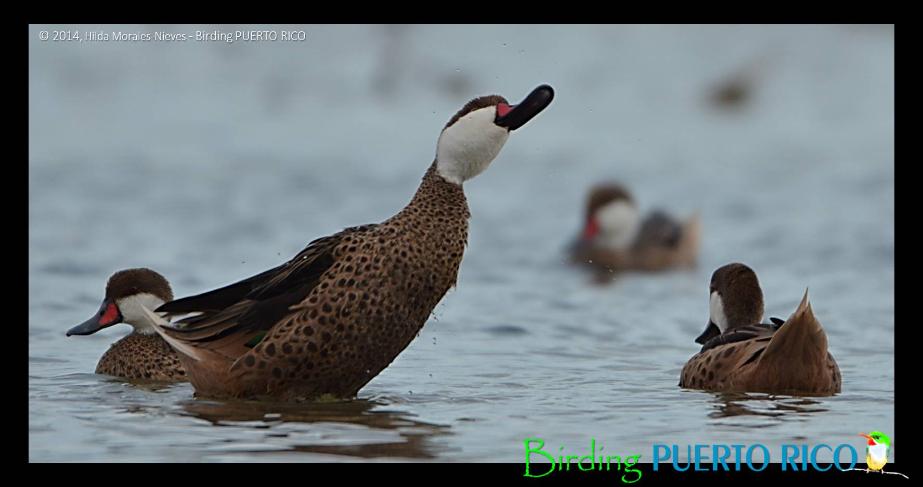
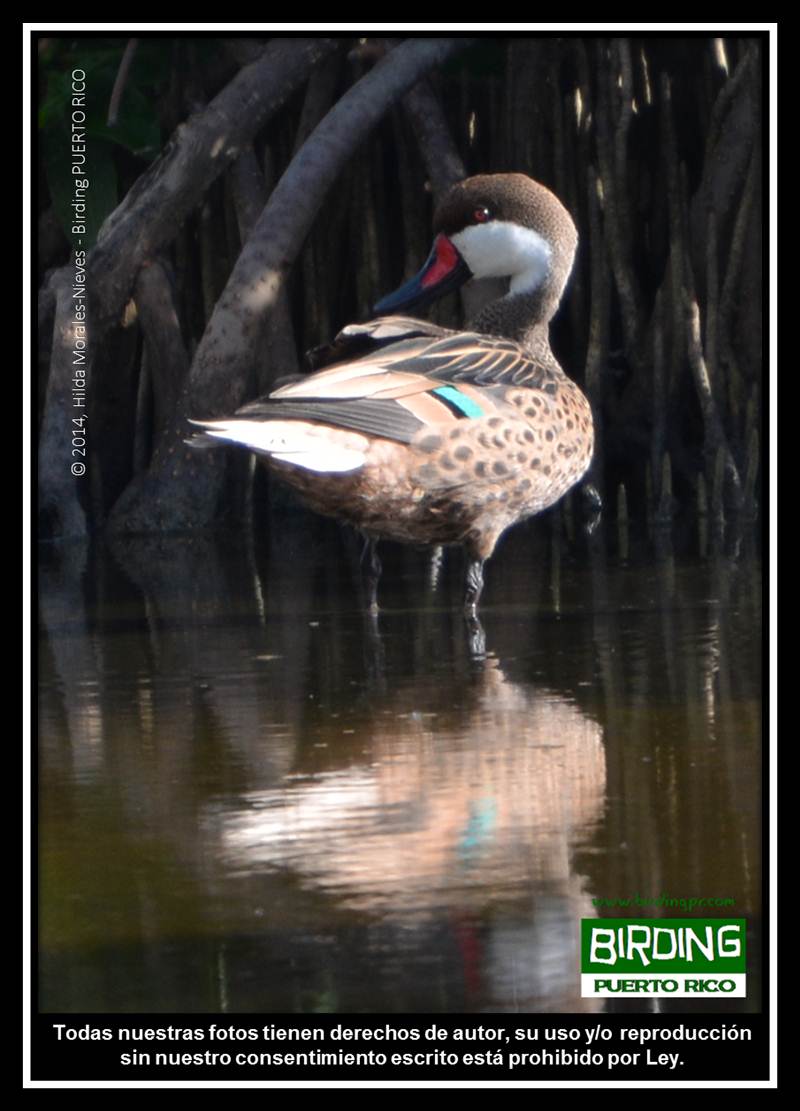
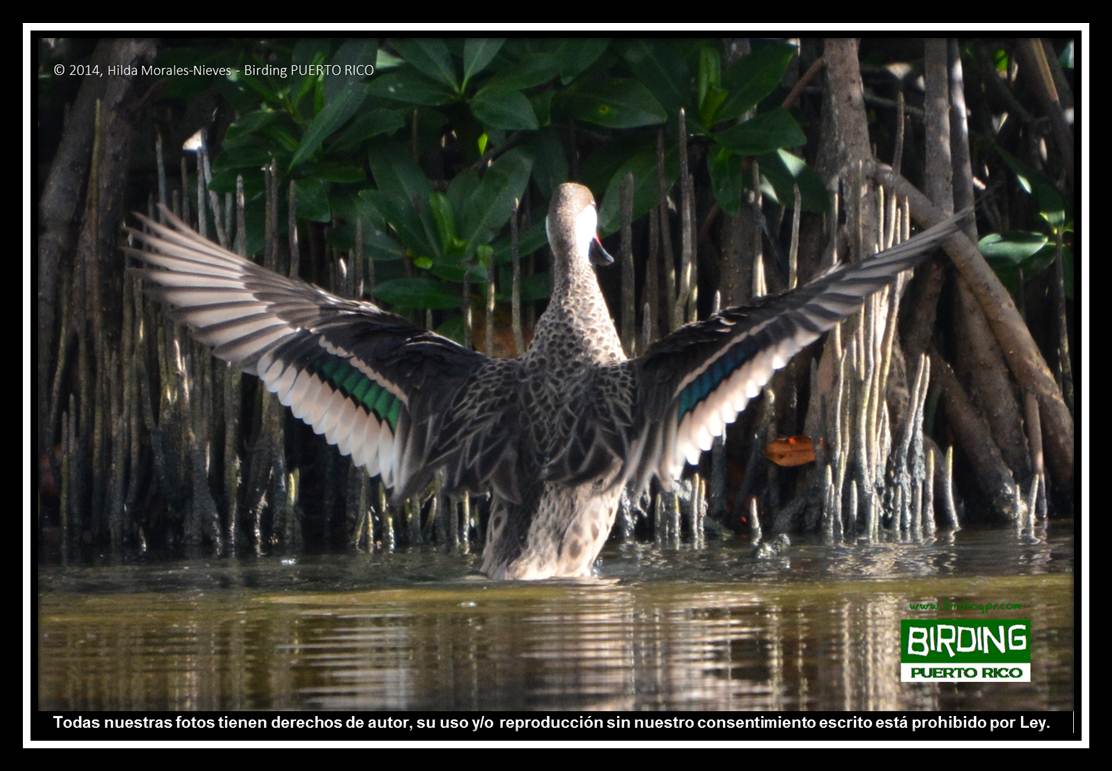
- White-cheeked
Pintail
- Broad-winged Hawk
- (Puerto Rico race)
- Black Rail
- Caribbean Coot
- Snowy Plover
- Roseate Tern
- White-crowned Pigeon
- Elfin-Woods Warbler
| . |
C = Critically Endangered
E = Endangered
- Puerto Rican Parrot
- Puerto Rican Screech Owl
- (Virgin Islands race)
- Yellow-shouldered Blackbird
E = Endangered
- West Indian
Whistling-Duck
- Sharp-shinned Hawk
- (Puerto Rico race)
- Plain Pigeon
- Puerto Rican Nightjar
|
| Puerto Rican Avifauna Photos, videos, and links of our birds |

| All photographic material on this website is copyrighted by Birding PUERTO RICO, AdvenTours and/or its contributing photographers. Photos should not be reproduced or exploited in any way without our written permission. |
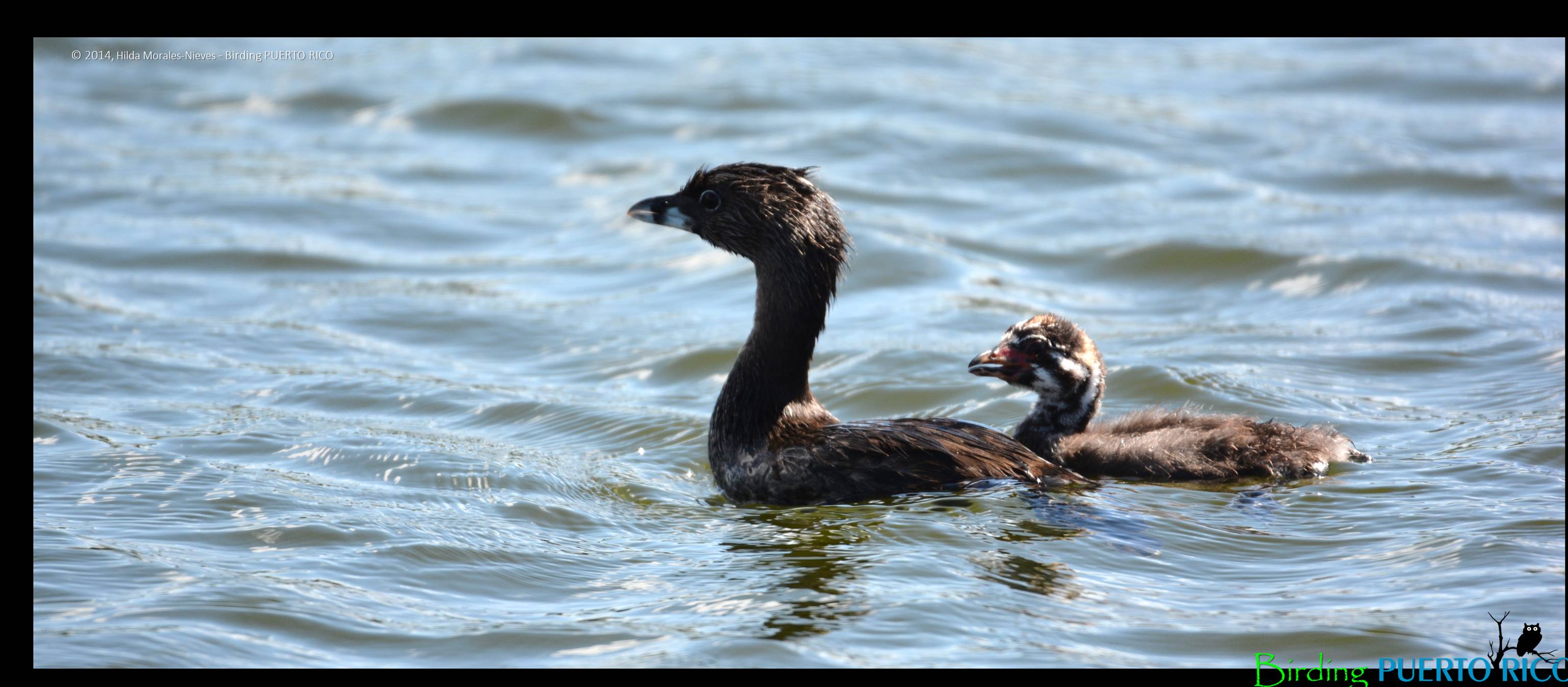
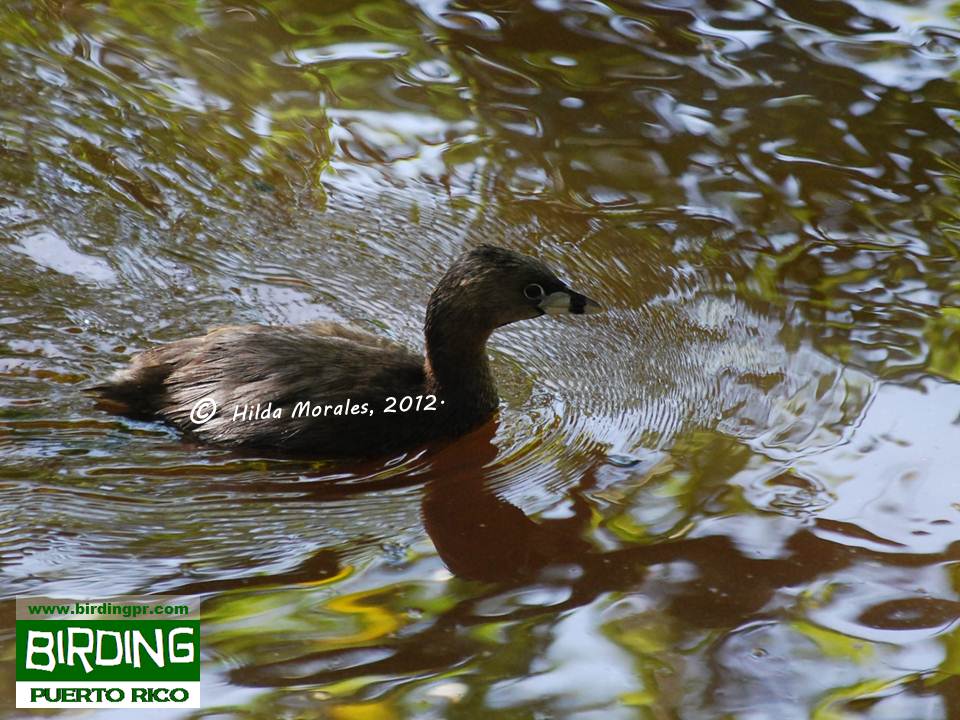
| # 10 - Grebes, Cormorants, Waterfowls |
| 3695 11 junio 3810 28 junio 3853 19 julio 3928 17agosto 4021 18sep 4274 4dic 4359 2ene 4449 18ene 4706 17mar 4776 2abr 4807 10abr 4907 8may 4925 15may 4956 21may 5014 3jun 5022 15jun 5061 5083 24jun 5195 23jul 6432 15mar2010 |
| . |



| Updated March 22, 2015. |
| © 1992 - 2015 Copyrights, BIRDING PUERTO RICO. |


| Gay friendly |
| All photographic material in this website is copyrighted by BIRDING PUERTO RICO and/or its contributing photographers. Photos should not be reproduced or exploited in any way without written permission from BIRDING PUERTO RICO. |


| Birds, nature, culture, and regional cuisine. |

| 7 |
| 7 |
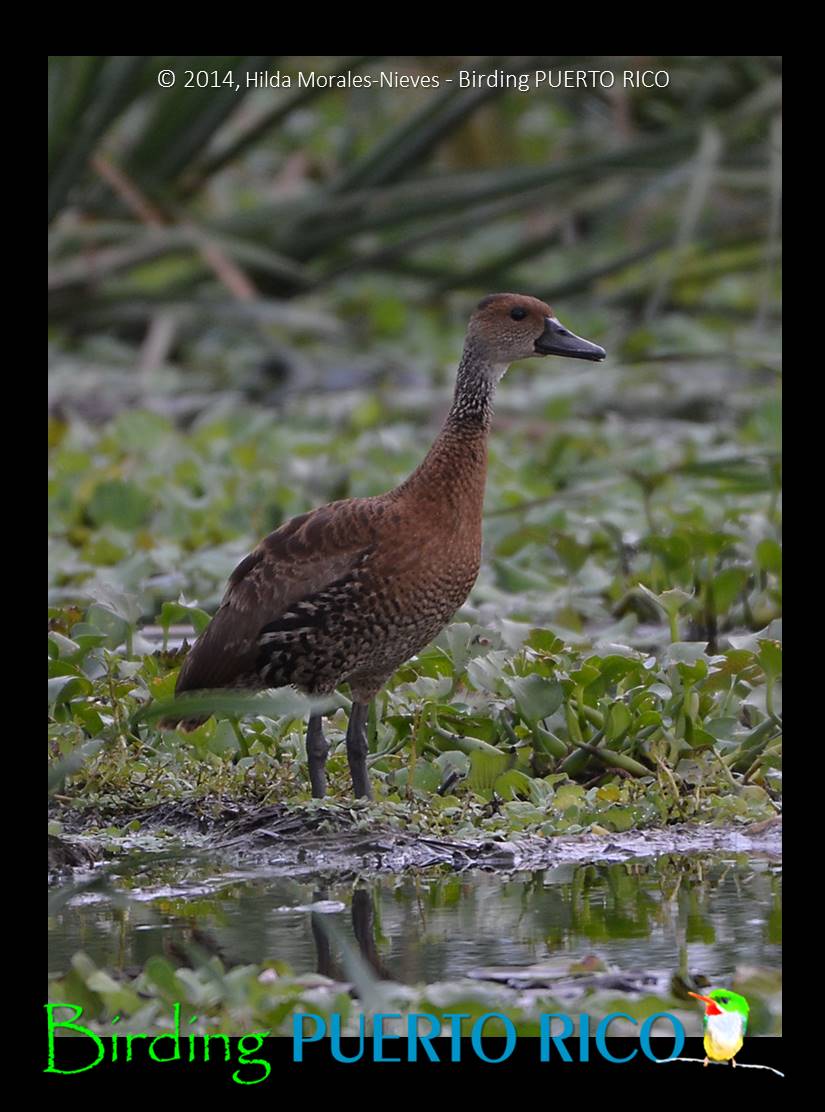
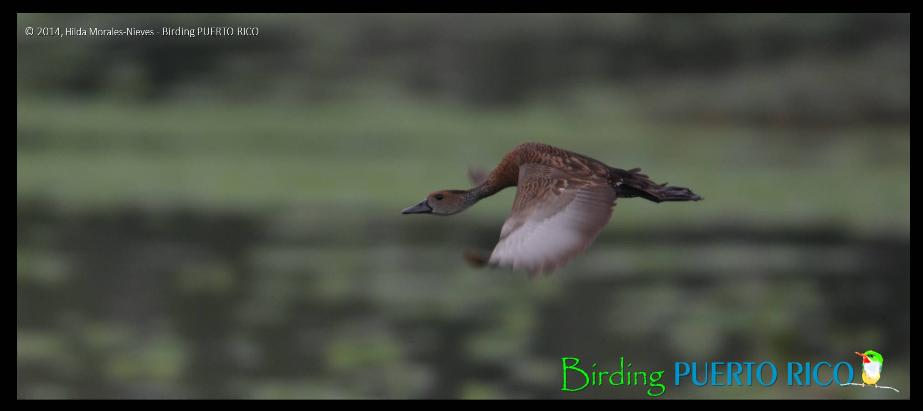
Restricted to the northern West Indies, the West Indian
Whistling-Duck (Dendrocygna arborea) is among the rarest
ducks in the Americas.
Source: WIWD & Wetlands Conservation Project,
http://www.whistlingduck.org/index.html
Whistling-Duck (Dendrocygna arborea) is among the rarest
ducks in the Americas.
Source: WIWD & Wetlands Conservation Project,
http://www.whistlingduck.org/index.html
| Endangered |

| Threatened |
| WE ARE UPDATING THIS PAGE, SORRY FOR THE INCONVENIENCES. |